Issue #258: Grilled Cheese
A Perfect Sandwich with Some Thoughts on Food Culture and Restaurants on the Side • Plus THE GREAT NOSH returns!

Before I get into the topic and recipe for today’s newsletter, a quick announcement. This morning tickets went on sale for the second iteration of The Great Nosh, the NYC Jewish food and culture festival picnic I helped launch last year for the Jewish Food Society. This year’s event takes place on Sunday, June 21, on Governors Island. It’s a celebration of the diversity of the city’s food and culture intended to build bridges between communities. On the menu are incredible chef collabs, grandmas demonstrating traditional foods from the diaspora, art, music, fashion, and so much more. Last year tickets sold out in less than 48 hours. And although we more than doubled capacity this year to accommodate demand, they are already going like latkes. Get yours today! —Mitchell
A few conversations this week have led me to consider what unique point of view I bring to cooking and writing about food. Naturally, by extension, I’ve been thinking about my intention with this newsletter now that I’m five years in. Please humor me, as this week’s post is wordier than most.
First, a little background.
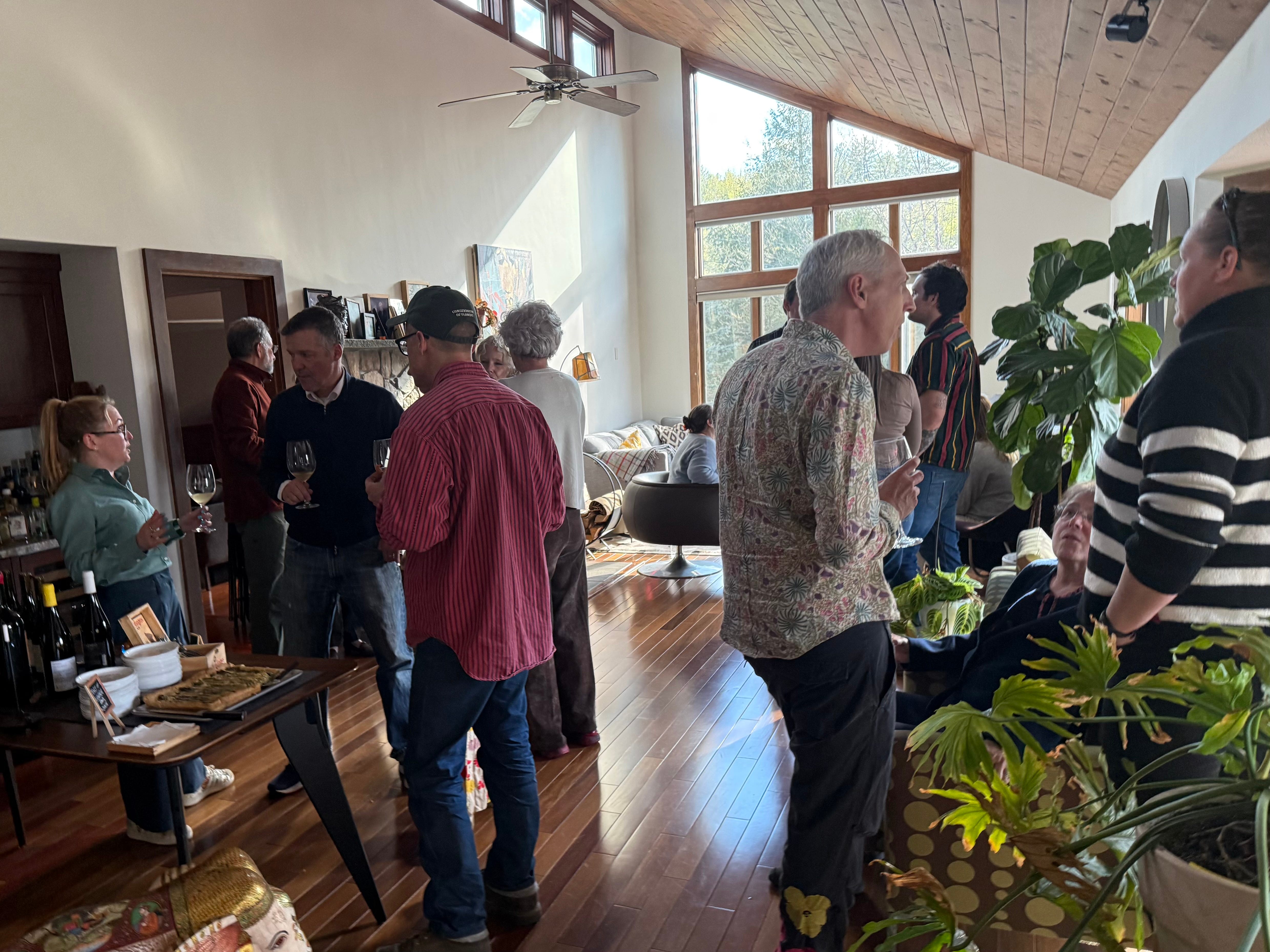
Last Thursday, Nate and I hosted a gathering of food people from around the Upper Valley and beyond. Since we moved here just a little over two years ago, I’ve wanted to find a way to bring the local food community together in order to show support for their commitment to making good, local food and ensure there’s an appreciative audience for it. Nothing is more challenging than running a farm, a food shop, or a restaurant, or performing most of the jobs in our food system. And if you are committed to quality and doing things in the most sustainable way, it’s harder still. To put in the effort day in and day out, you need consumers who understand and care.
Although I am not a producer myself, I’ve spent my much of my career helping to build networks and coalesce communities in support of good food.
The impetus for the gathering last week was a visit to Dartmouth by Sicilian author and food expert Fabrizia Lanza. At the Anna Tasca Lanza culinary cultural center she runs in Sicily, Fabrizia is keeping alive the legacy of her late mother, Anna Tasca Lanza, whom I had met, educating people about Sicilian food and food culture and the values they represent. Fabrizia was invited to the Upper Valley by my new friend, colleague, and co-conspirator, Danielle Callegari, a professor of Dante and Medieval Italian literature at Dartmouth, who happens to also be an expert on Italian wines.
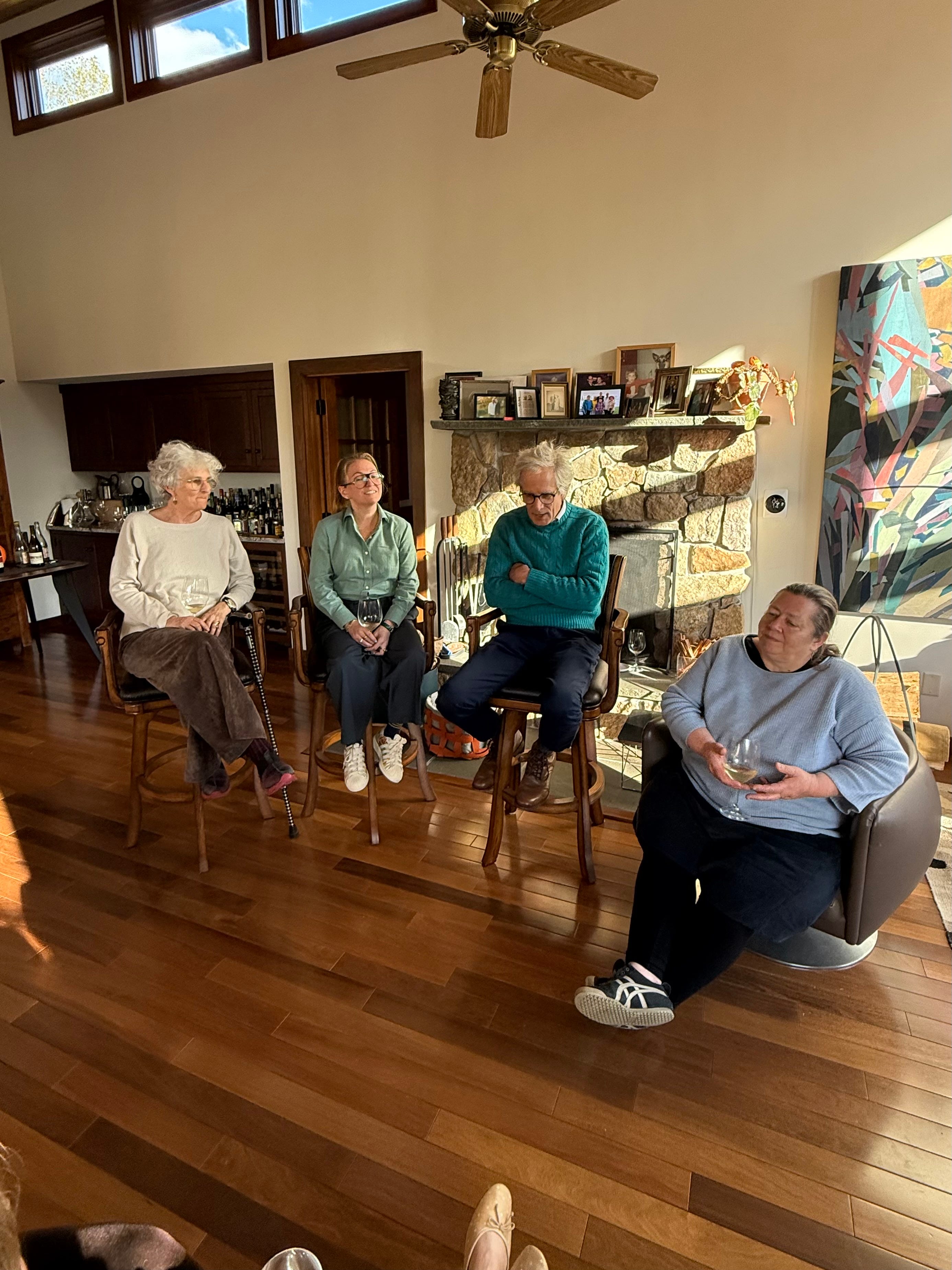
When Danielle mentioned to me that Fabrizia was going to be in town and had a free night on May 7, I offered to host a dinner in her honor. To make it more than just a meal, I thought we should plan a conversation. I wasn’t sure of the topic, but something that drew on the food culture of Italy and the Upper Valley seemed apropos. We settled on the importance of local food culture, not just for the pleasure of eating well, but also for the socio-economic reasons that food culture helps communities thrive.
To help stimulate the conversation, I invited Ed Behr, publisher of The Art of Eating, who lives just about 50 minutes north of us in Vermont, and Sara Jenkins, the James Beard recognized chef of Nina June in Rockport, Maine. Longtime friends and Substackers themselves, both Ed and Sara are extremely knowledgeable about the food cultures of Italy and New England, Ed having lived in Vermont for more than 50 years and written about Italy often during that time, and Sara having grown up between Maine and Italy, where she learned to cook (see Ed and Sara).
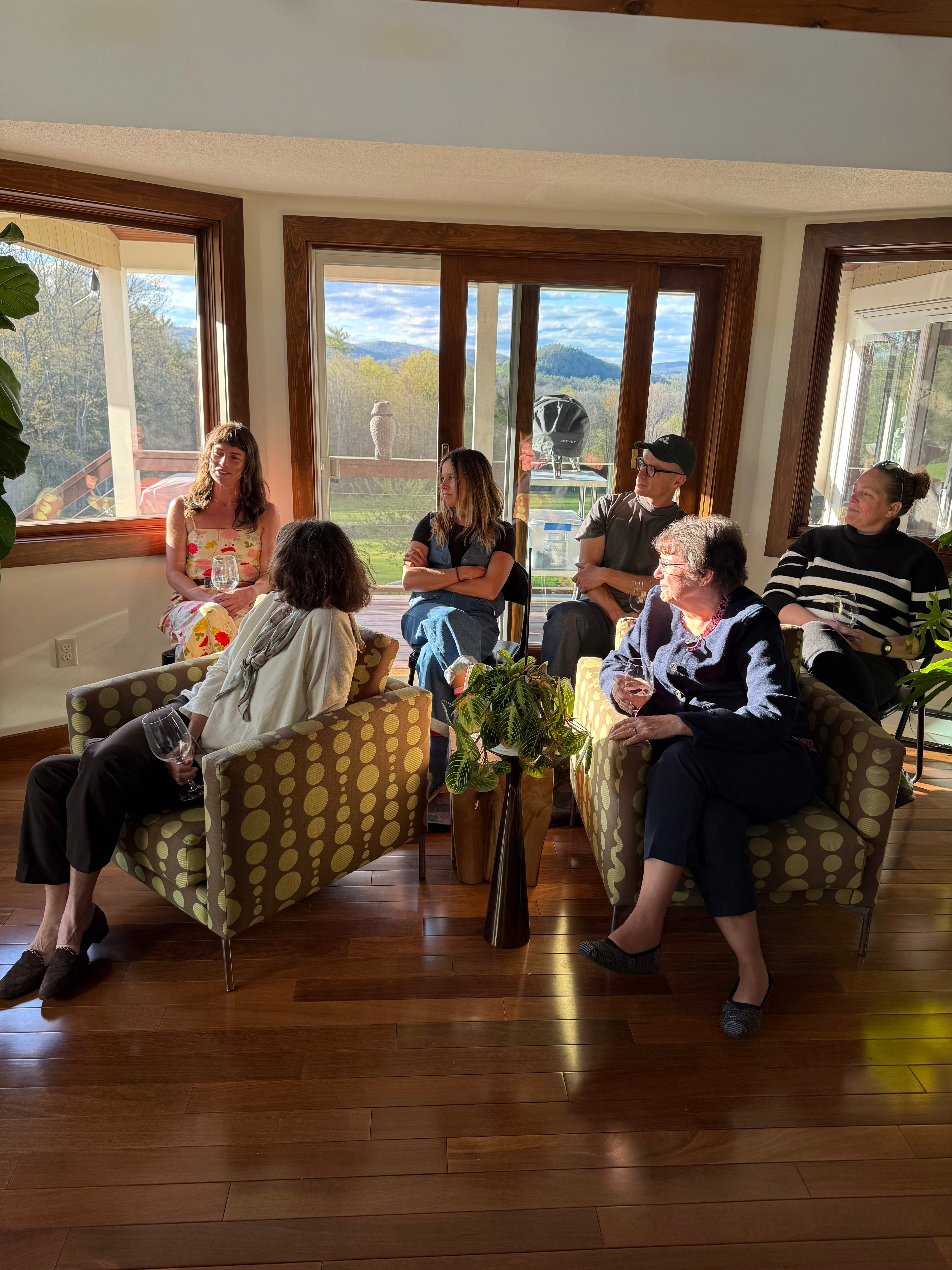
About 20 farmers, chefs, winemakers, journalists, retailers, and food lovers showed up at our house for the event.
A light went on for me the moment that Danielle opened the conversation by suggesting that if we view food as we do other forms of “high culture,” such as music and art, we might give it the value it deserves. I bristled, not because this is something I haven’t considered before myself—my food career began some 35 years ago as executive editor of a hard-cover, glossy quarterly magazine called Art Culinaire—but because I’ve come to realize that by elevating food in that way we exclude so many people from actively engaging with it.
One of the things I love about the food culture in Italy is that it doesn’t happen in fancy restaurants or glossy magazines. Instead, you see it expressed among families, in homes, at simple neighborhood trattoria that are for the most part affordable and accessible. Food culture in Italy isn’t reserved for those who have money or education or other forms of cultural capital. The subject of my TEDx talk back in 2012 was about how the richest and poorest Italians are proud to eat the same food and how different that is here.
This got me thinking about my work, my PoV. I am in no way interested in supporting a food community tailored only to those with enough money to afford it. One of the great ironies of global food insecurity, is that of the estimated 1.2 billion people who are in the worst situation, more than half work in food or agriculture. If the people who produce good food cannot afford to participate in the appreciation and enjoyment of it—and by this I don’t just mean the owners, but also the workers—then we’re doing something wrong.
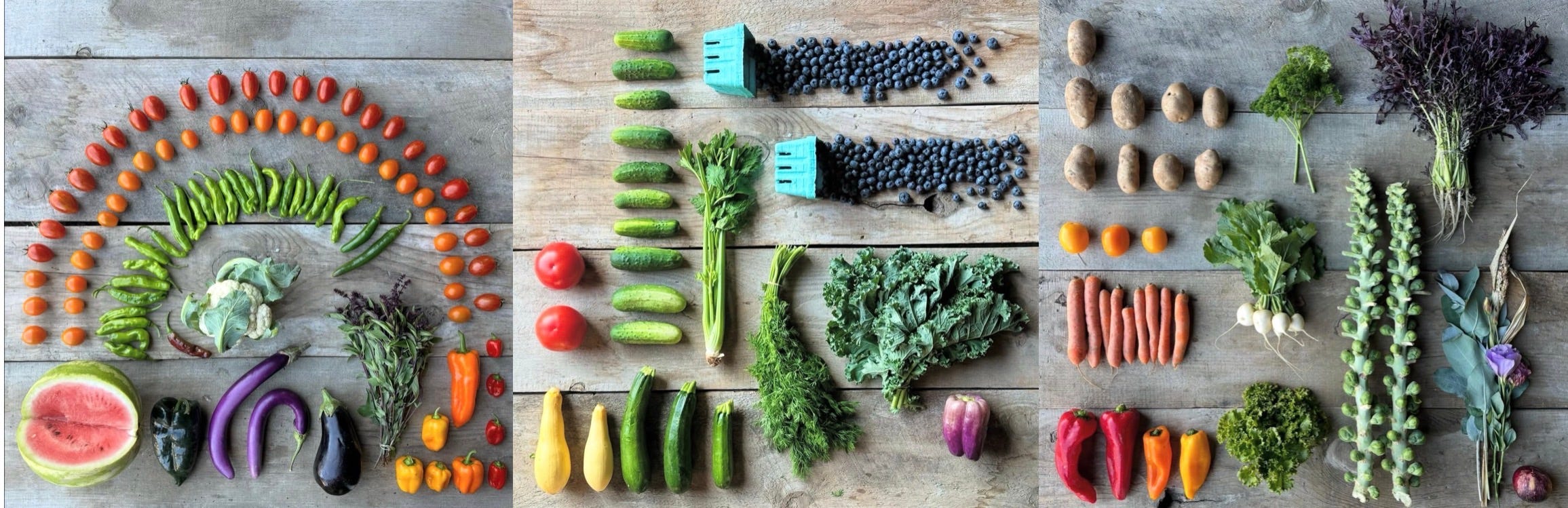
An exchange I once had with my farmer friend Jenny of Edgewater gets to the point. While describing how she had prepared some vegetable she had just picked for her kids simply by steaming it and dressing it with olive oil and salt, she insisted she wasn’t a foodie. What do you mean?” I said. “What’s better than that?” She felt that because she didn’t know about this food trend or that chef, she didn’t rate. I beg to differ. If a farmer who grows an incredible array of amazing produce and knows how to enjoy it simply doesn’t believe she fits into the category of foodie, then the category is meaningless.
Home Cooking versus Restaurant Cooking
The second conversation this week was with a longtime friend and colleague, Alison, whom I’ve hired to help me strategize about my social media and other communications to make them more effective and impactful. We got to talking about my particular point view when it comes to food and cooking, and I drew on this recent conversation about Italy for some self-reflection and broader insights.
I came to realize that one of the problematic characteristics of how our food culture has developed, at least in the last few decades since exploding on cable television and social media, is that we’ve privileged restaurants and chefs at the expense of home cooks. We watch chefs compete with each other for high stakes. We watch skeptical judges determine which chef’s technique or creativity excel above the others. Home cooks and cooking, once the primary feature and target of food television, have fallen by the wayside, unless we are talking about the worst cooks in America.
It’s not that I don’t appreciate the skill and professionalism and the occasional artistry of professional chefs. I’ve spent most of my career working on award programs that seek to honor the best restaurants in the world. But restaurants are just a small part of what makes a food culture dynamic and interesting.
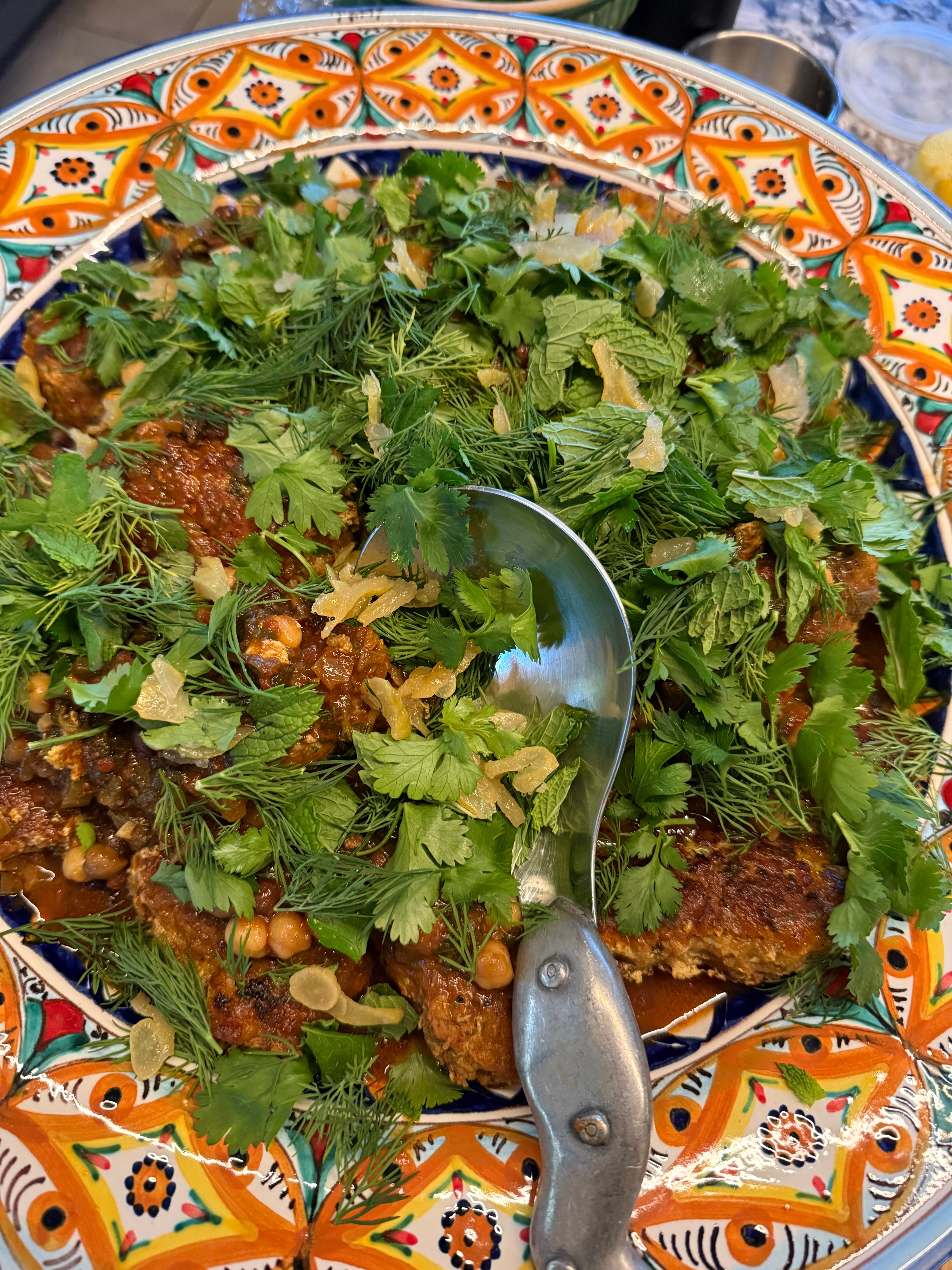
Home cooking and restaurant cooking are two different and distinct things. One is not better or more valuable than the other, even if it is more expensive. In fact, something Sara said during our talk about Italian food, stuck with me. “I own and cook in a restaurant,” she offered. “But I think home cooking is better than restaurant food.”
I don’t want to say one is better than the other. But I do want to say they are different. So different, and with such different intentions, that I think we shouldn’t compare them. Nor should we privilege one more than the other when we are talking about food culture. Many of the great food cultures prove this point. I’m thinking of Italy and India, where the best meals are almost never to be found in restaurants, and certainly not in the Michelin rated ones.
While talking with Alison, I came to realize that one of my missions in life has been to emphasize the importance and value of home cooking. And I don’t mean those weekend forays into complicated restaurant food. I mean daily cooking, breakfast, lunch, and dinner, and ways to keep it anything but mundane.
Although we’ve come to think of “ethnic” foods as restaurant food, I’d argue that the home cooking recipes from different cultures are no more complicated to make than our own, once you have the ingredients. Shopping is the challenge. You don’t need to dumb them down. Nobody anywhere has ever had enough time to make elaborate meals everyday. And you don’t have to sacrifice quality or flavor just because you aren’t making a complicated dish.
As I continue to think about these things and focus this intention in my work, I hope you’ll continue to follow along, like, comment, and share my newsletter and social posts, but especially, COOK! to help me spread the gospel that home cooking is every bit as important as restaurant cooking for a dynamic and delicious food culture.
Lunch Plans
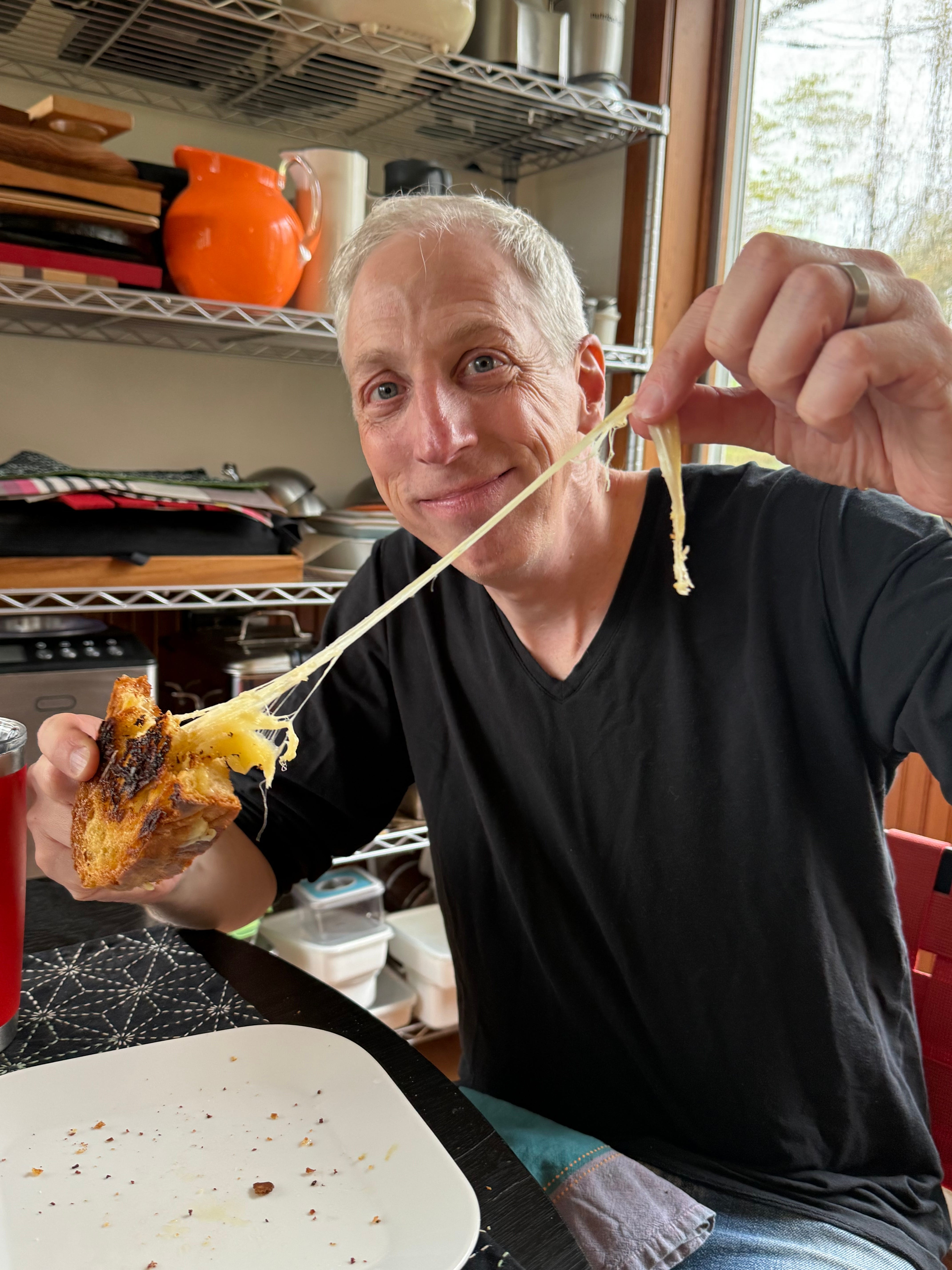
This week, I had an idea to share a totally different recipe. But for lunch on Saturday I made Nate a grilled cheese sandwich, one of his favorites, and after a conversation about some of the thoughts I’ve conveyed in this newsletter he said, a sandwich this good is what people really want to know how to make.
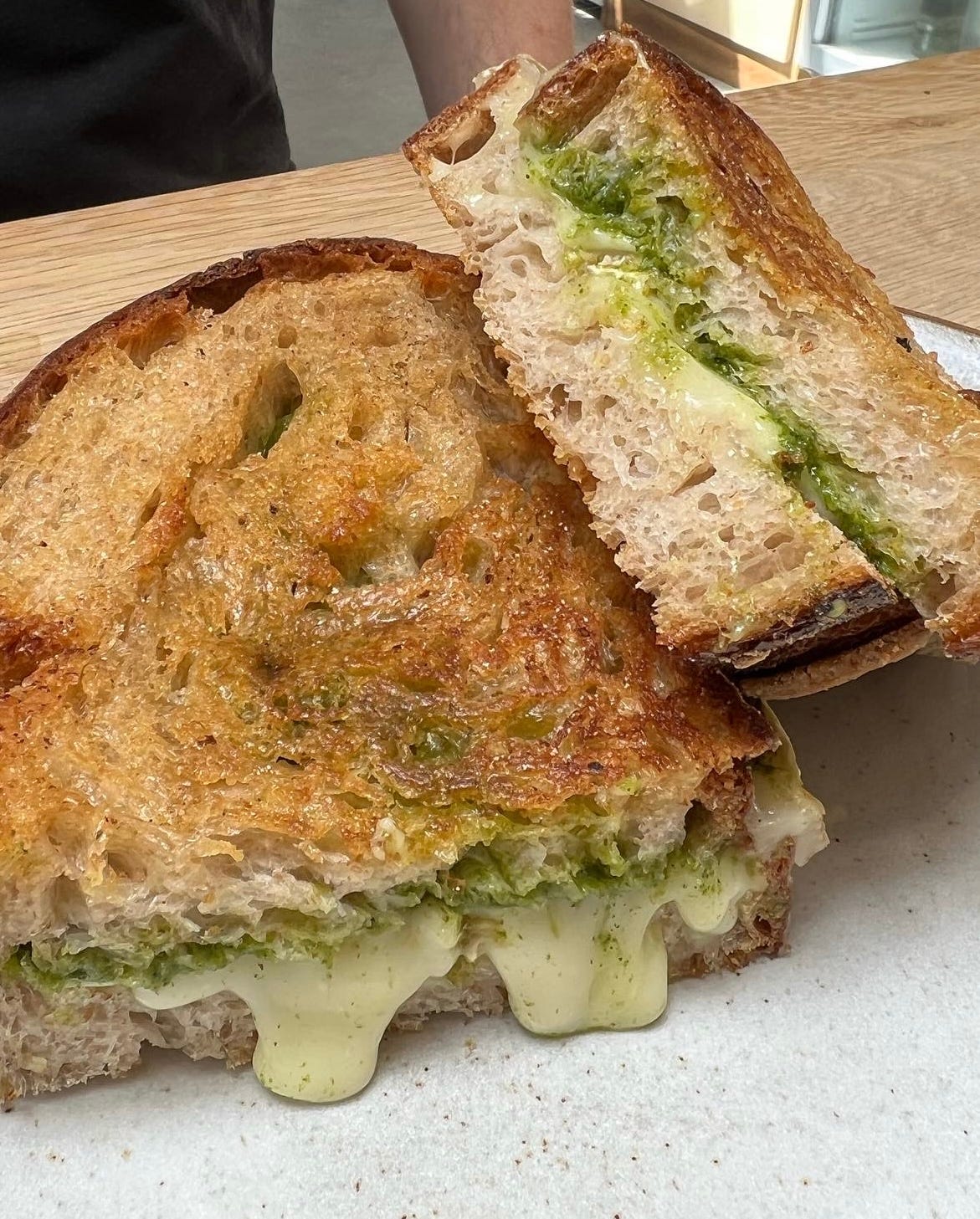
So, with Nate as guest editor this week, here is my recipe for grilled cheese, which Nate thinks is the best there is, especially when it is served with potato chips and root beer.
RECIPE: Grilled Cheese Sandwich
Serves 1
2 thick slices sourdough, challah or shokupan
1 tablespoon Dijon mustard
2 tablespoons mayonnaise
3 to 4 ounces hard, flavorful, mountain cheese, such as Comté, Gruyère, Beaufort, Asiago, or an aged Cheddar, or a combination, thinly sliced
2 to 3 ounces unsalted butter, at room temperature
Preheat the oven to 300°F. and set a baking sheet inside. Place a heavy, preferably cast-iron pan over medium-high heat to warm.
Open the slices of bread so that the sides that would have been contiguous in the loaf and will become the inside of the sandwich are pointing up. (I’m a stickler for assembling a sandwich so that the bread is facing the right direction.) Divide the mustard and mayonnaise between the two pieces of bread and spread evenly to the edges. On one of the pieces of bread, arrange the cheese slices in an even layer, also to the edges. Close the sandwich by placing the slice without the cheese on top, the mustard and mayo on the inside, and press lightly so it holds. Spread the side of the sandwich facing up generously with the soft butter.
Lower the heat under the pan to medium-low and add a generous dollop of butter. When it melts, place the sandwich in the hot pan, buttered side up. Let cook for 3 or 4 minutes until the bottom bread is evenly browned. Peak underneath a few times. Don’t let it burn. Better to lower the heat and let the whole process take longer. When it looks good, carefully flip the sandwich. You need to be careful because, depending on how thick the bread is, the cheese will not have fully melted yet, and the sandwich will fall apart. You also don’t want the buttered bread to stick to your hand or a spatula. Tongs work well.
Once flipped, use a spatula to gently press the sandwich and compress it while the second side browns. The second side will brown faster than the first. When nicely colored, lift the sandwich out of the pan and place it on the tray in the preheated oven. Let the sandwich bake for 5 minutes or so, until you can see the cheese is fully melted and oozing out the side, a sign that it is done. Cut in half with a sharp knife and serve with potato chips and a cold root beer.
Some important ideas shared here - thanks Mitchell! As a cookbook author who can't afford to eat at higher-end restaurants more than about once/year, I am very much in agreement that home cooking not only deserves but *has to* be a part of the conversation.
My husband and I recently relocated to New Hampshire (for much the same reason y'all did, in fact-my physician husband took a job at DHMC) from a suburb of Dallas, Texas. The local food culture here is AMAZING compared to the corporate food culture that dominates suburban Dallas. I want to fully embrace it, but am struggling to get my overly frugal husband on board! The trick is to just keep cooking these beautiful ingredients simply and let them do the convincing. For example, the other night I roasted local asparagus with olive oil, sea salt and cracked pepper. He raved.
Your point about TV food shows made me think of when I first decided to transition from the food I grew up with (lots of prepared food) to cooking with real ingredients. Sara Moulton’s show on the, at the time new, Food Network was key to my cooking education. Sadly, there simply isn’t anything like that on Food Network anymore.
Thank you for the introduction to Ed and Sara’s newsletters. I’m always on the lookout for New England based newsletters. One that I enjoy on IG is North Ridge Farm. She grows most of her own food (NOT in my future), but also shares lots of recipes designed for the home cook.
I look forward to continuing to follow along as you continue to share about great food and your life in the Upper Valley.